










Why clients trust SolveIt

Patient portal software built around real healthcare workflows
Patient portal software development services

Patient portal software development

Patient portal integration services

Patient portal web development



Patient portal app development

Patient portal discovery and consulting

Custom patient portal software development

Patient portal maintenance and support
Ready to plan your patient portal software?
Types of patient portal software we build
The right portal format depends on your users, workflows, and product goals. Some businesses need a secure web portal, others benefit from a mobile-first experience, and some need a broader ecosystem that supports patients, providers, and internal teams together.
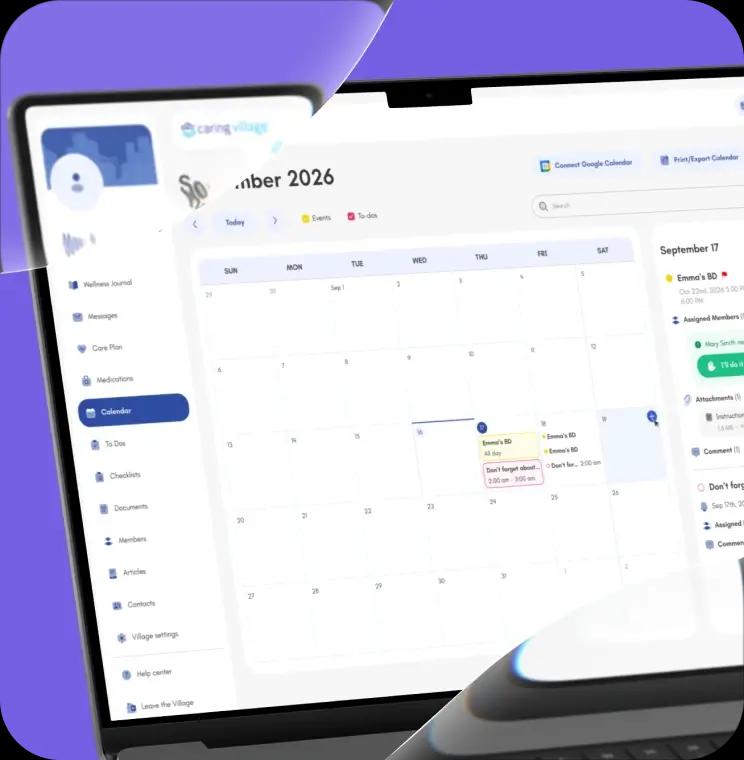
Clinic and practice portals
Simplify everyday clinic operations with a portal that helps manage appointment requests, intake forms, payments, communication, and access to key health information in one place.
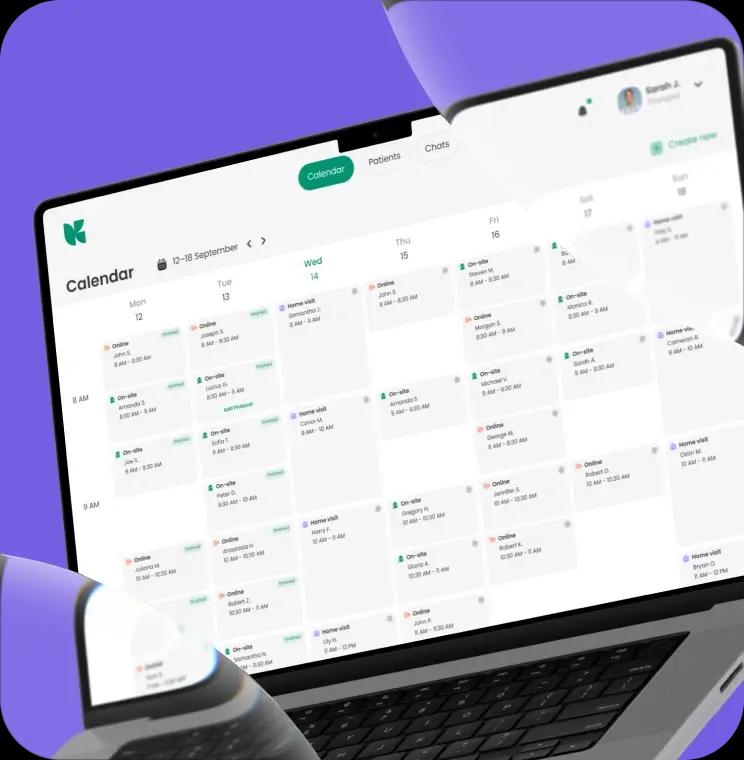
Secure web portals
Create a browser-based experience where users can view records, lab results, visit summaries, messages, bills, and important care information without calling the front desk for every request.
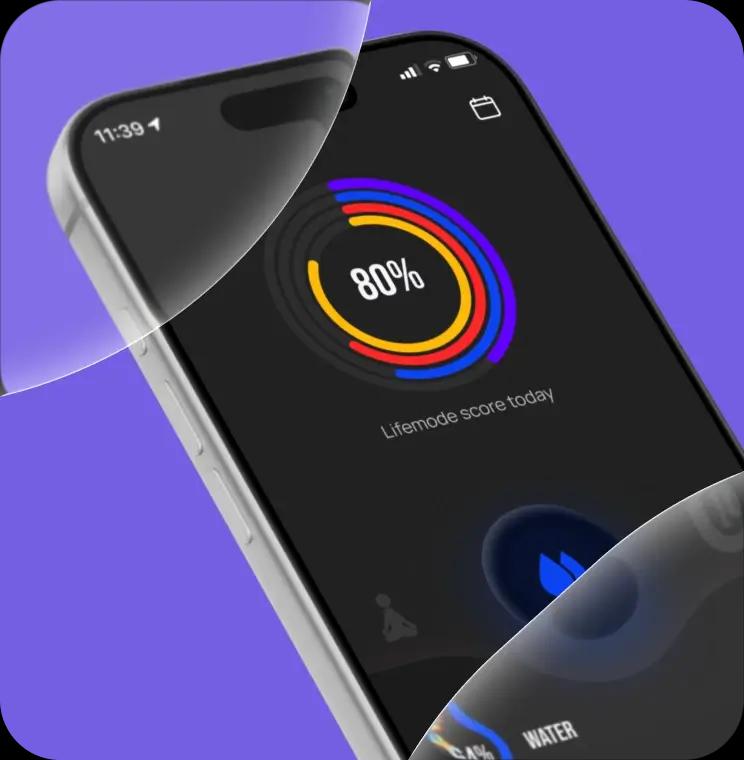
Mobile patient portal apps
Give users faster access to reminders, appointments, messages, notifications, and care updates from their phones – making engagement more convenient and consistent.
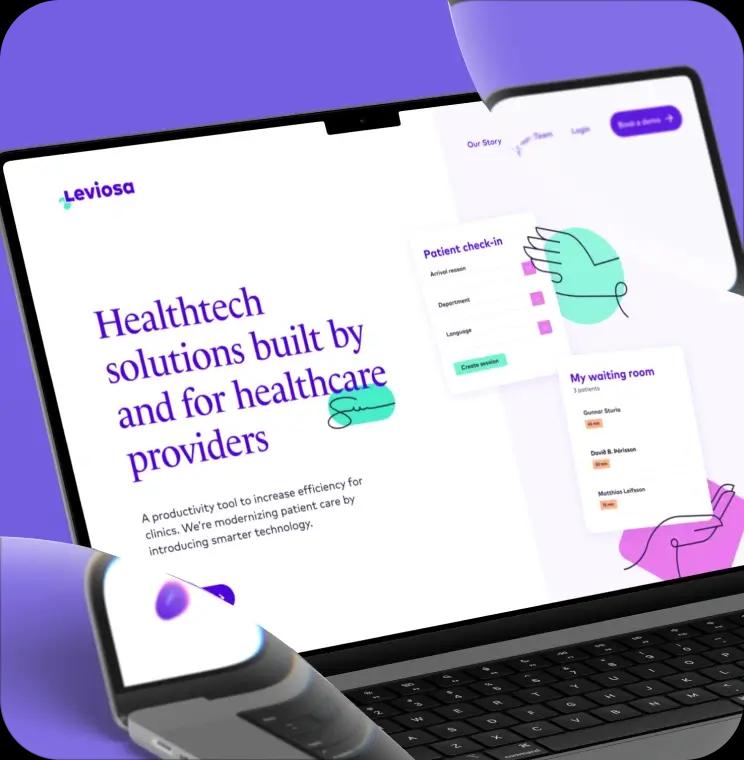
Patient-provider communication tools
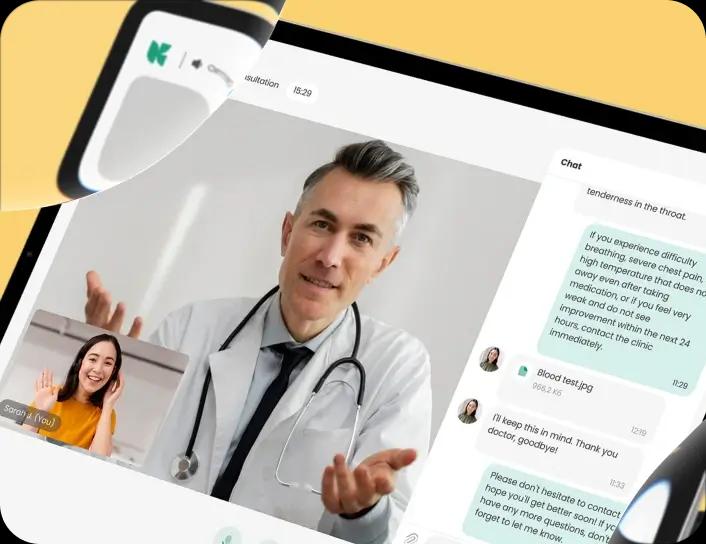
Improve communication with secure messaging, file sharing, follow-up updates, structured requests, and clearer interaction between patients and care teams.
EHR-integrated portal solutions
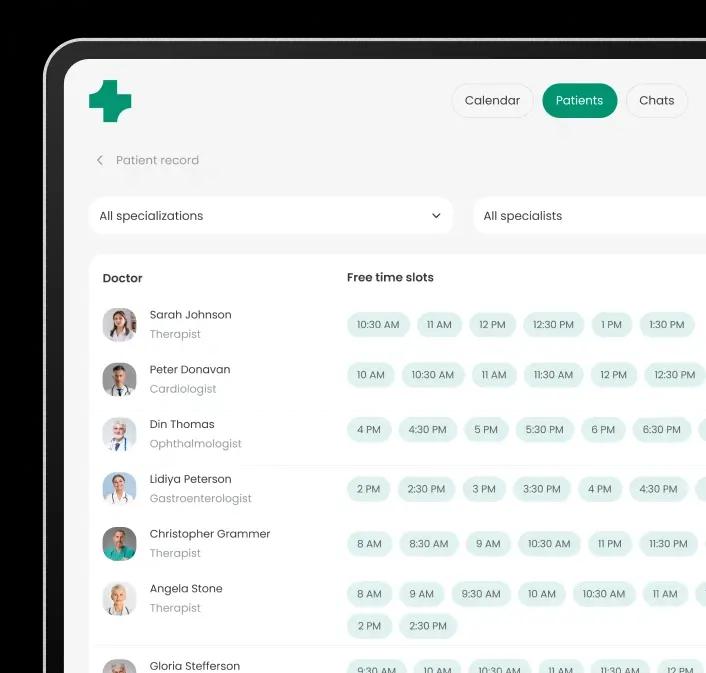
Connect your portal with EHR/EMR systems, practice management software, lab systems, payment tools, and other healthcare platforms to keep data more consistent and reduce manual work.
Digital engagement platforms
Build stronger long-term relationships through reminders, educational content, follow-ups, care plan updates, surveys, and personalized communication flows.


Related cases with patient portal logic
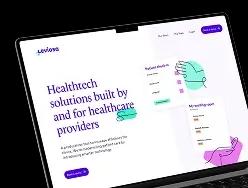
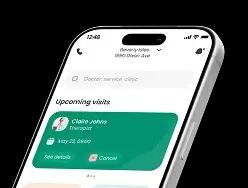
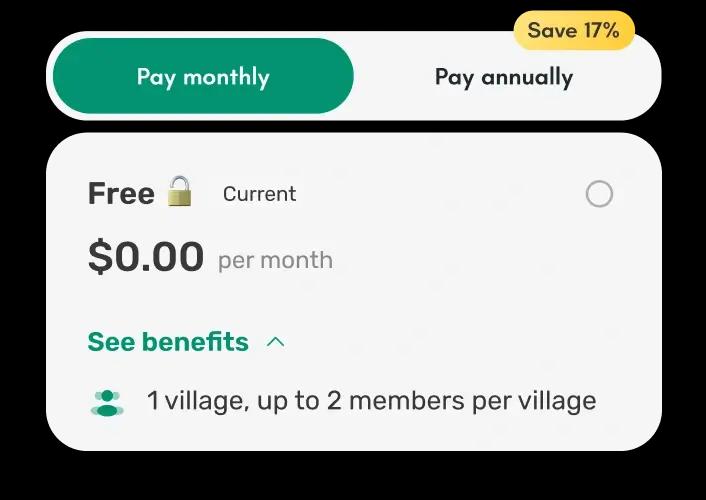
Patient portal software rarely exists in isolation. It is usually part of a broader patient-facing ecosystem that includes scheduling, communication, records access, care coordination, and digital self-service. These cases reflect SolveIt’s experience in building products with similar logic.
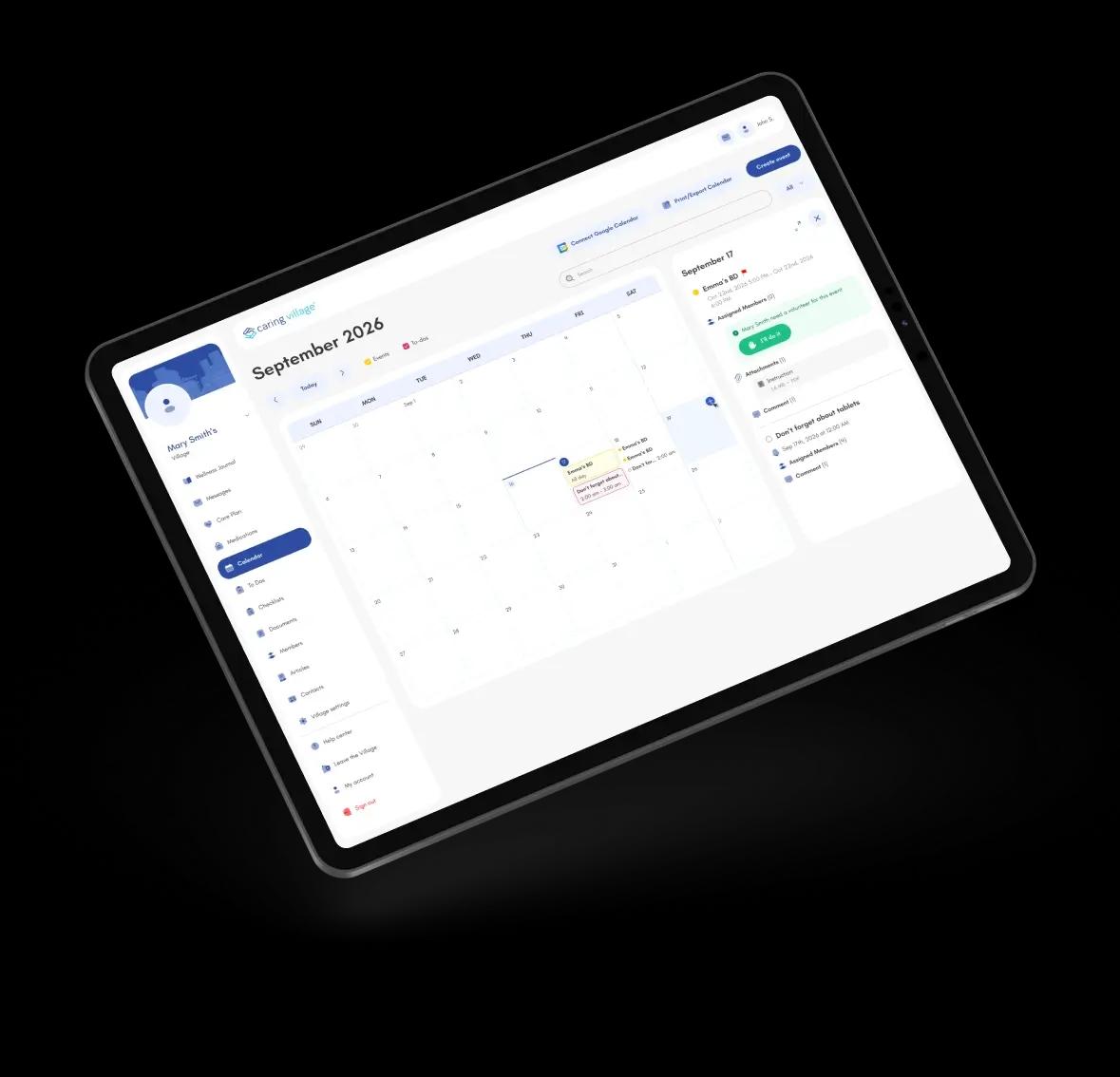
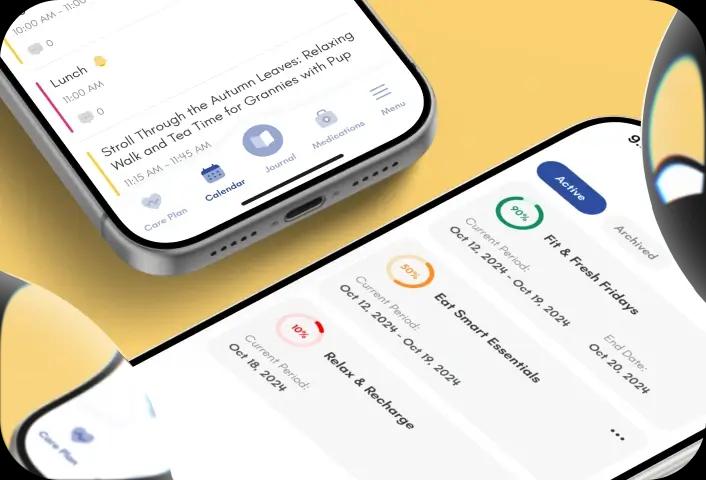
AI caregiving mobile & web platform
Relaunched a caregiving product into a unified web, iOS, and Android platform with AI features, accessibility-focused UX, and a scalable monetization model.
Telemedical web app
Built a React-based web app and admin panel for a private clinic network, connecting doctors, patients, and admins in one telemedicine ecosystem.
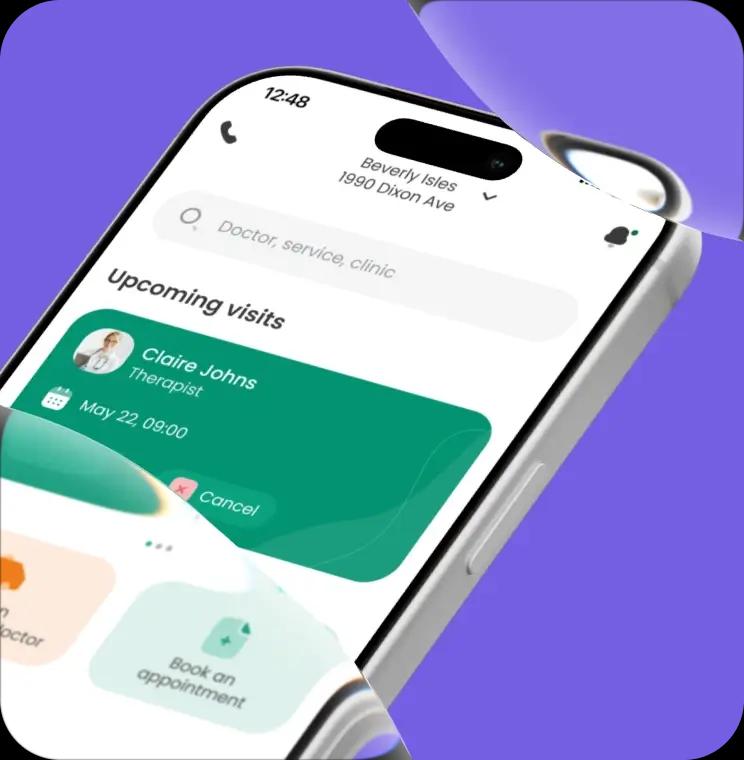
Medical app
Enhanced patient communication via easier appointment access and care updates.
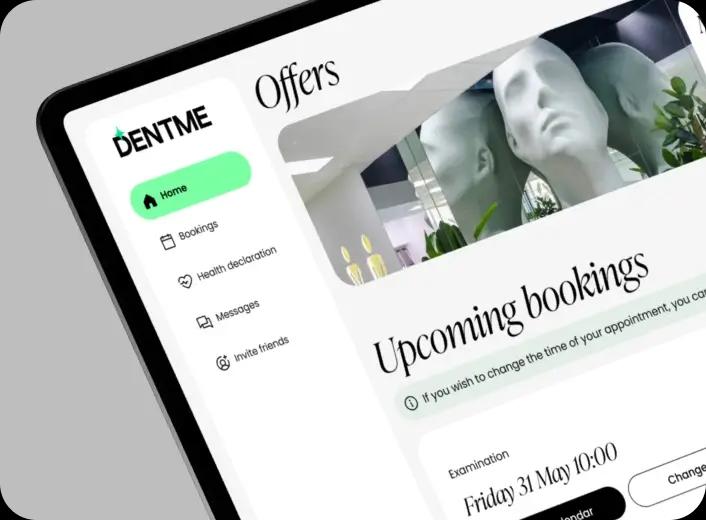
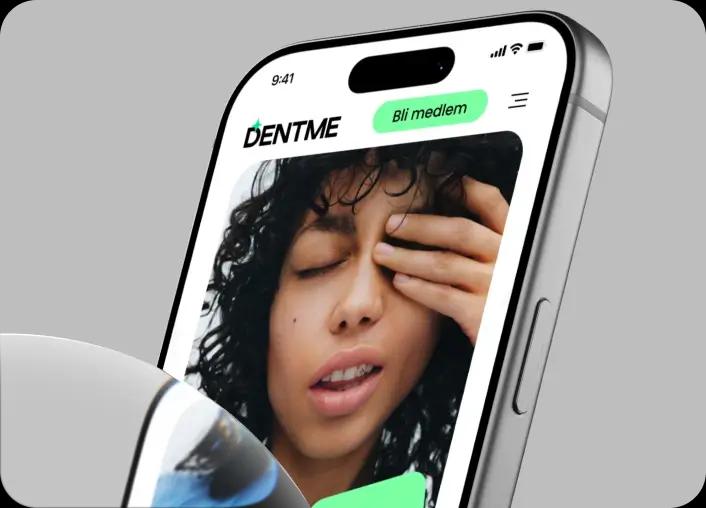
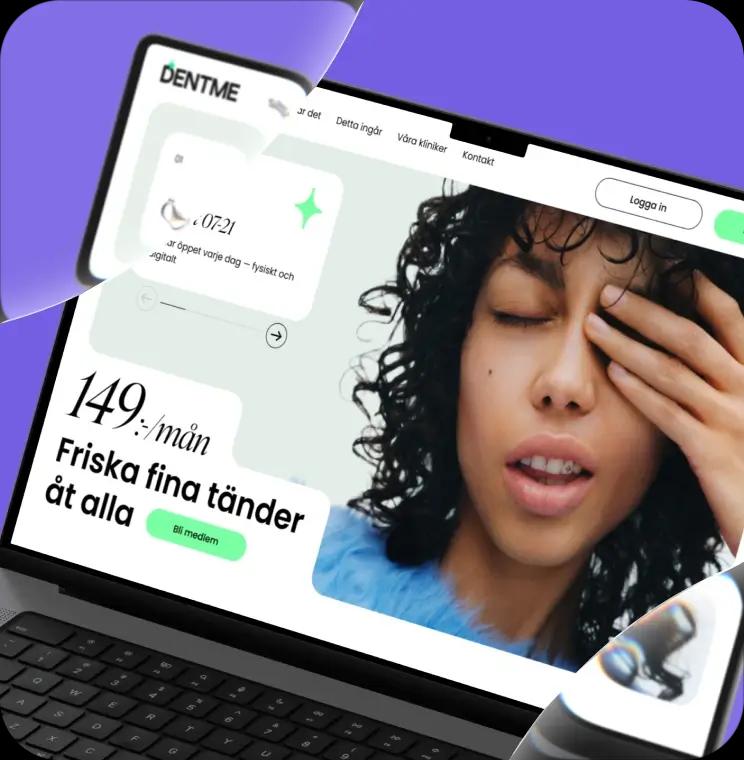
Website redesign for a dental clinic
Delivered a redesign that improved conversion flow, increased engagement, and strengthened the client’s position for future investment rounds.
Need a patient portal software with similar logic?
What you can achieve with custom patient portal software
The right patient portal does more than digitize access. Custom patient portal software can improve patient experience, reduce administrative pressure, and support more efficient healthcare operations.
More scalable operations
Better patient experience
Stronger communication




Reduced administrative workload
Core patient portal software features
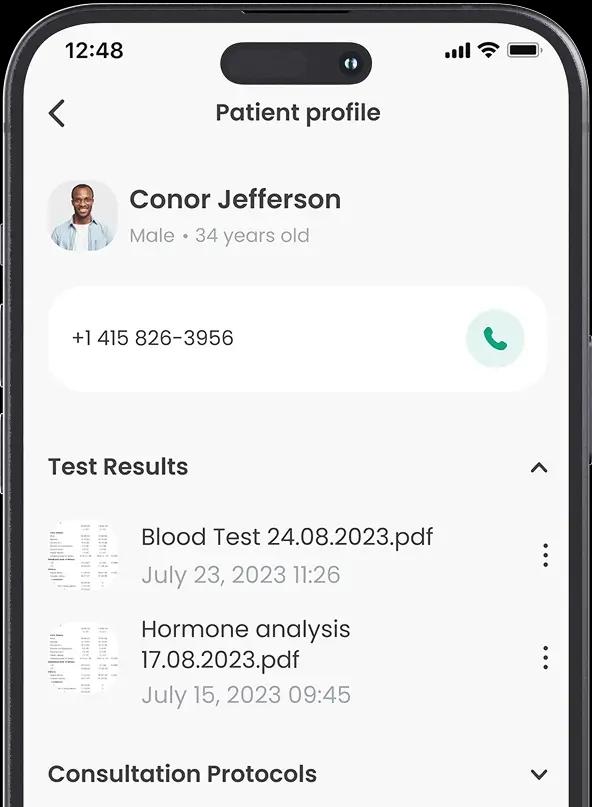
The exact feature set depends on your workflows, users, and product goals. Typical functionality may include patient portal appointment scheduling, secure messaging, medical records access, bill payment, and telehealth integration.
Patient portal software integrations
A patient portal delivers maximum value when integrated into your broader healthcare ecosystem. Connecting it with EHR/EMR, billing, and scheduling software eliminates manual work, ensures data consistency, and streamlines daily operations.
Payment systems
EHR / EMR integration
Scheduling systems
Communication tools

When custom patient portal software development makes sense
Custom patient portal development is usually the right choice when:
Build a patient portal tailored to your workflows
Why choose SolveIt as your patient portal software development company
Patient portal software should work well not only as a product, but also as part of a broader healthcare workflow. That is why we focus on usability, operational fit, and long-term scalability – not just feature delivery.
Product thinking, not just feature delivery
Strong mobile and web expertise
Relevant healthcare product experience
Focus on usability and adoption
Scalable architecture and practical integrations
Practical AI where it adds value
Client’s review








What our clients are saying


“Their innovative approach, combined with their commitment to our project's success, truly sets them apart.”


“What impressed me most about SolveIt was their unique blend of creativity, hunger, and intelligence.”


“The responsiveness of the team members was highly commendable. They were all more than willing to jump in, answer questions, and iterate on our deliverables.”


“When I met Solvelt, I got the confidence I was looking for. They've stood out as a hard-working team. And also provided good communication, allowing new projects together to be considered.”


“The Solveit team has been the epitome of professionalism. They're very knowledgeable, great to collaborate with and deliver outstanding quality.”


“They were flexible, pivoting when we needed to change the project scope. We felt like a team with common goals.”
Our patient portal software development process


Discovery and healthcare workflow clarification
We start by understanding your healthcare organization, users, care delivery model, and operational workflows. This helps define what the patient portal needs to support – from scheduling and communication to records access, payments, and admin tasks.

Scope and solution planning
Next, we shape the product scope, priorities, and technical direction around the features that create the most value for patients, providers, and internal teams. This helps avoid unnecessary complexity and plan integrations, roles, and key workflows early.

UX/UI design
We design patient-friendly and provider-ready experiences that make healthcare interactions easier to complete. This includes clear user flows for appointments, messages, intake forms, records, payments, notifications, and other key portal actions.

Patient portal development
We build the product step by step, keeping the architecture secure, scalable, and ready for future growth. Depending on the scope, this may include web portals, mobile apps, admin panels, provider dashboards, EHR/EMR integrations, and communication tools.

QA and release preparation
Before launch, we test the patient portal for stability, usability, security, and consistency across core flows. We check how users complete key actions, how data moves between systems, and how the product performs across devices and roles.

Launch and product evolution
After release, we help improve the portal based on user feedback, analytics, patient behavior, and business priorities. This supports better engagement, smoother operations, and future product expansion.
Engagement models for patient portal software development
Dedicated healthcare product team
Team augmentation
End-to-end delivery
Mobile app development

Web app development
UX/UI design services
AI development services
Discovery phase services
Build your patient portal with the right team
Tech stack we use for patient portal software development
For patient portal software development, we use reliable technologies for patient-facing portals, mobile apps, provider dashboards, admin panels, telemedicine features, integrations, and connected care workflows.
Insights for healthcare product teams
Complete guide to healthcare app development
Learn what it takes to build a healthcare app, from key features and product types to development steps, cost factors, and launch considerations.
Business digitalization: practical ways to improve operations
Explore how digital tools can streamline workflows, reduce manual work, improve visibility, and make business operations more efficient.
8 Digital transformation challenges and how to overcome them
Understand the common barriers to digital transformation and how to address them with better planning, technology choices, and change management.